



• Important Notice
  • image
  • image
  • image
  • image
  • image
Previous Next
Pinbahis Güncel Giriş ve 2026 Teknik Analizi

au leoleo icon

TUSI AU LEOLEO

tusifaitau aso icon

TUSI FAITAU ASO

autaumafai icon

TUSI AU TAUMAFAI

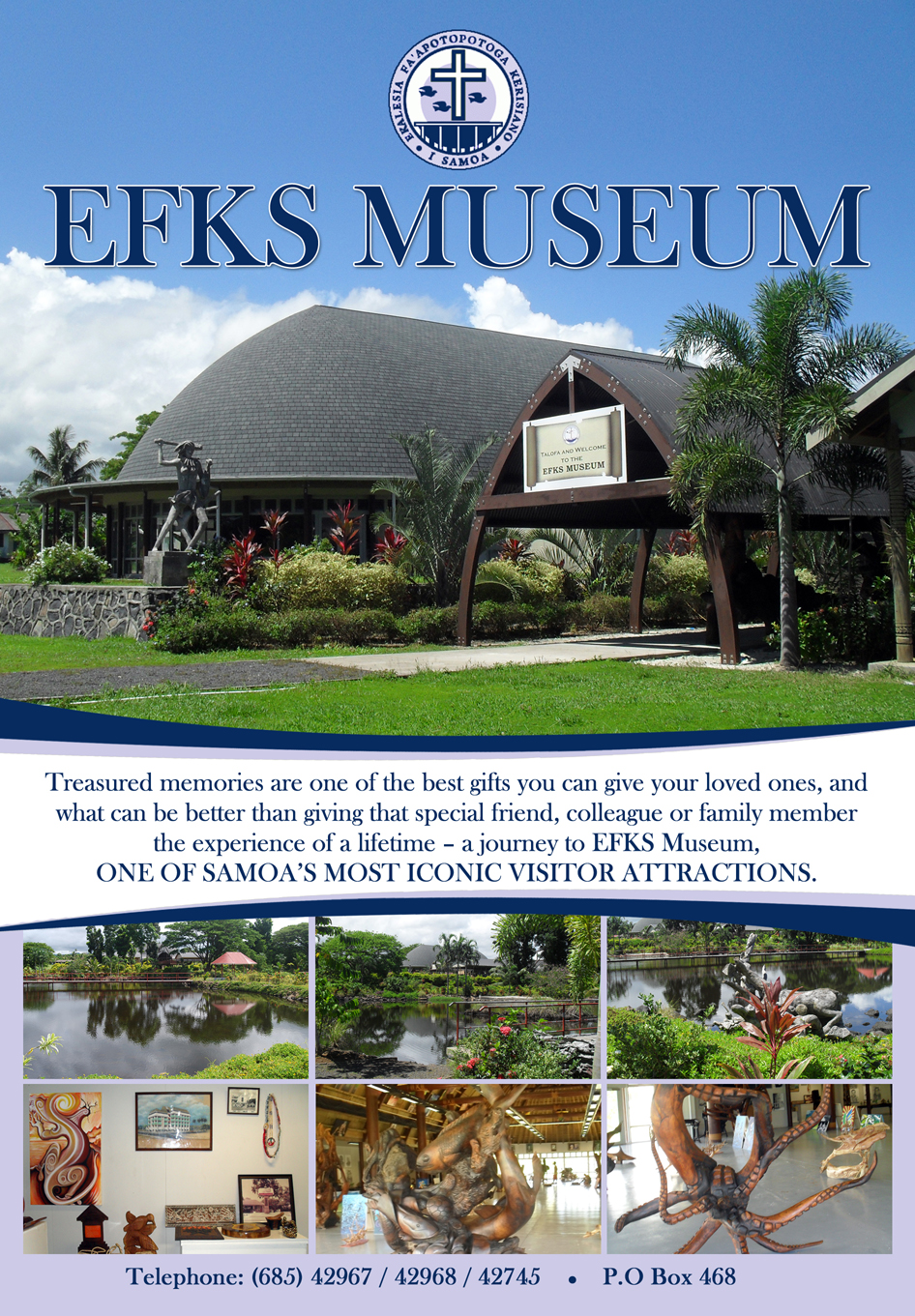
EFKS MUSEUM

efks museum1


 FEAU O LE VAIASO!

(Message of the week)


Tusi Faitau Aso: Roma 8:1-18 


Matua: Roma 8:18 "Aua o lo'u manatu e le tatau ona fatusaina le tiga i nei ona po ma le manuia atali e faaalia ma ia te i tatou."


Manatu Autu: "Manuia atali, ma tiga o nei ona po.

                          "Future glory and present suffering."


Tigaina nei saoloto taeao. O manuia atali; o manuia faaauau e leai se taimi e muta ai, ae o tiga i nei ona po, o faafitauli ma faigata e tofotofoina ai le soifua ofoina i le Atua ma lona finagalo. Lea lava oloo faasolo le faitauina o le tusi a le aposetolo o Paulo ia Roma mai lava i lena vaiaso seia oo mai foi i lenei vaiaso, e manatu foi ua nofo fale i aai o finagalo le mafuaaga o lenei tusi, i le taumafai o Paulo e saili se fofo i le feteenai o Kerisiano Iutaia ma le kerisiano o nuu ese o i Roma latou na amataina le ekalesia. Ae i le taimi lava lea o loo feagai le ekalesia ma le tele o faafitauli lautele, mai le malo ma isi sosaiete, ae o isi oloo sauaina ona o le latou faatuatua.


O le mataupu e 8 o le tusi ia Roma o loo taoto iai le vaevaega muamua o le tusi, lea e sau mai le mataupu 1 seia oo i le 8 oloo faamatalaina ai. O le lalolagi atoa e manaomia le faaolataga, o le tauamiotonu e ala i le faatuatua ia Iesu Keriso, o le ola fou e maua i le Agaga paia, faapea ma le mautinoa i le faaolataga. Ae o le faituga o lenei taeao oloo vaai taulai mo le faamoemoe o tagata talitonu oloo feagai ma tiga i lea taimi, ae o nei mea e tutupu e tupu ane ai se fesili faapea. Afai o le ekalesia oloo talitonu ia Iesu aisea e feagai ai ma tiga? Lea e tali ai Paulo i le fuaiupu e 18 – 21, faimai Paulo e le faatusaina tiga o nei ona po ma le manuia atali, e peisei o loo aoao atu Paulo o tiga oloo feagai ma i latou e eleo se faafitauli faatoa tupu ananafi, ae o le manu’a talu mai le agasala a le uluai tagata. E le fou la nei tiga e feagai ma tagata talitonu i le Atua, o le faafitauli lava ua leva ona tauasa ma ola mai ai tuaa ma auga tama, lea foi ua oo i latou taimi oloo faaauau pea ma tausaili lava se leleiga o le foafoaga ma le Atua.

E le faapea o loo taumafai Paulo e tau tuuitiitia tiga o loo feagai ma le au kerisiano, aua sa ia asaina foi ma oo muamua ai i nei faiga o le ola puleesea sa oo ina faa fale puipui sa ui mea faigata ma le tiga o le ola. Ui i lea elei avea nei tiga ma vaega na tuua ai lona faailoa pea o le manuia atali o le Atua e sili atu nai lo faigata ma tiga i nei ona po. O le mea moni e iai tiga e tofotofoina ai le soifua ma le ola, ae o le mea ua mautinoa e le faavavau nei tiga. Pain is real but it is not permanent. O faamanuiaga a le Atua e sili atu nai lo tiga o ona po nei, ia vaai taulai pea i le Atua ae le o faafitauli o le ola nei. Toetiti a faapea mai Paulo ia vaai i tiga ma faafitauli o ni faamanuiaga mai le Atua. Tofu ai aua le sola i tiga ma mea faigata o le ola, aua a le tofotofoina foi le faatuatua i nei tiga e leiloa le suamalie o le ola ofoina i le Atua ma lona finagalo.


Faimai le Roma 5: 3,4, “ua tatou mitamita foi i puapuaga, ina ua tatou iloa o puapuaga e tupu ai le onosai, o le onosai e tupu ai le mautinoa o le mautinoa e tupu ai le faamoemoe.” E tutupu pea fita ma faigata o le ola e luitauina ai lo outou soifua ofoina ma le soifua tautua i le Atua ma lona finagalo, o puapuaga ma tiga e tupu ai le onosai, ae o le faaamatalaina lea o le upu onosai. O le onosai e puna ae i totonu i tiga oloo tofotofoina le ola ofoina. Ae o le onosai lea e tupu ai le mautinoa, ae o le mautinoa e le masalosalo ai i le talitonuga faa kerisiano e galue ai ma le mautinoa i le faatuatuaga e aunoa ma se masalosalo. Ae o le mautinoa e tupu ai le faamoemoe Hope; o le feau lea oloo fia momoli e Paulo i kerisiano Iutaia ma kerisiano o nuu ese; poo a faigata ma tiga o le ola o nei ona po. Ia tumau pea le faamoemoe e ala le faatuatua ia Iesu Keriso. I le faatausiusiuga o le faitauga o lenei taeao e faapea, “o e na tofia anamua e ia, ua valaauina foi latou e ia; o e ua valaauina e ia, ua tauamiotonuina foi latou e ia; o e ua tauamiotonuina e ia, ua faamanuia foi latou e ia.”


O le pine le na o le mau e le fou tiga ma faigata o loo feagai ma kerisiano, na amata mai lava anamua i auga tama, o perofeta ma i latou uma na tofia ma ia valaauina e faia lona finagalo, sa latou asa ma tofu  tiga o le ola, ae ui  na tiga sa tauamiotonuina lava i latou ma faamanuia iai le Atua. O lea foi ua tofia ma valaauina i latou e le Atua e ala i le ekalesia kerisiano e faaauaua le talalelei a Keriso, afai ae tumau ma onosai i tiga o nei ona po e tauamiotonuina foi latou ma faamanuia i ai le Atua ma latou maua ai manuia atali o le Atua.


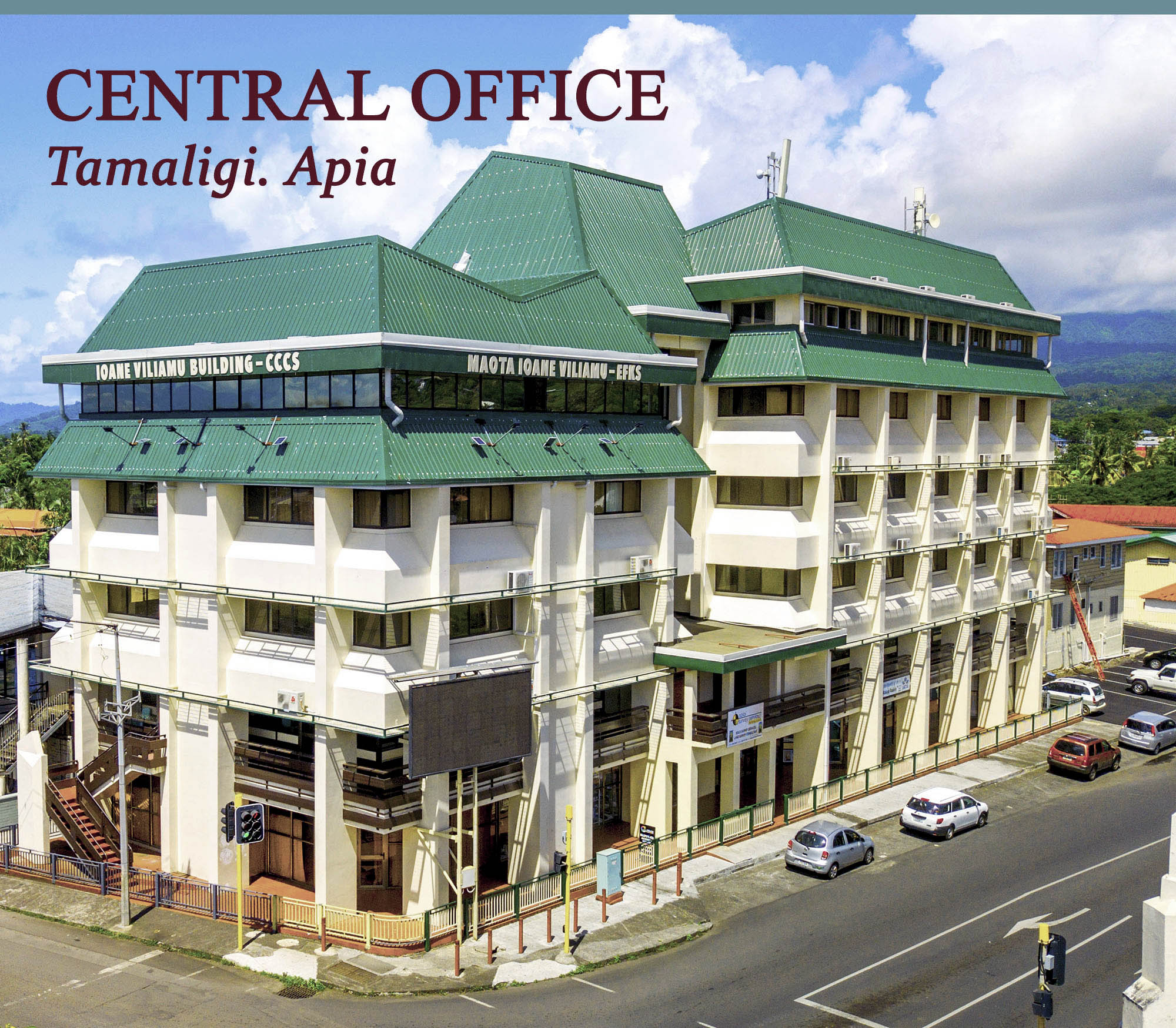
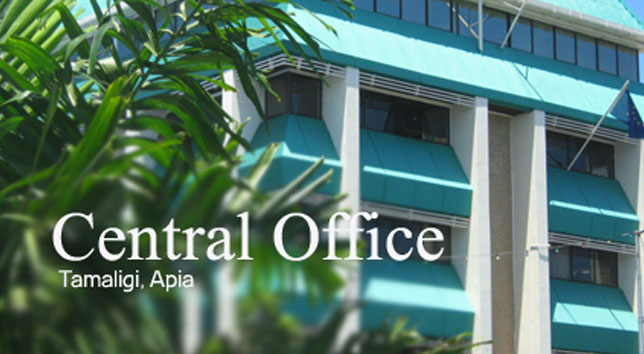
Le aufaigaluega ma le tapuaiga i lenei taeao o le feau foi lea o le talalelei mo i tatou uma. O manuia atali ma tiga o ona po nei. Tatou te maua faamanuiaga faaauau a le Atua pe a onosai i tiga o ona po nei. Ae le faatusaina foi manuia atali a le Atua ma tiga o ona po nei. Ua aoao mai le tusi faitau o lenei aso o tiga ua tatou i ai i nei ona po eleo se mea fou, na tauasaina mai foi e tatou matua ma nai tuaa. Na tofia foi ma valaauina latou i o latou foi taimi e tautua le ekalesia a le Atua, talitonu sa manuia lava le ekalesia i o latou taimi, lea foi ua tatou sapi ai lenei vaitau. E mautinoa sa tauamiotonuina ai latou ma faamanuia ai le Atua. Lea foi ua oo mai o tatou taimi, o tatou a e faia o tatou foi e lelei ai. Ua anoanoai foi tiga ma faigata eseese ua feagai foi ma tatou i le tautuaina o le ekalesia e ala le galue ai i le ofisa tutotonu.


O le faamalosi a le talalelei o a tiga ma faigata e tutupu  lo outou soifua ofoina, talia ae ia tumau pea le faamoemoe ma le onosai i le Atua, aua o le onosai e tupu ai le mautinoa, o le mautino ae tupu ai le faamoemoe. Ua tofia ma valaauina i tatou i tofiga eseese i totonu o le ofisa tutotonu e auauna ma galue ai ma le faamaoni ma le onosai na le pine lea ona tauamiotonuina foi taua ma faamanuia mai le Atua, ma maua ai ona manuia atali. I le ma lea le auuso e, e tofu a le tagata ia ma mea tiga oloo ui ai lenei taimi ae le’o iloa atu e mata, aua le faamamafaina tuu i le Atua o ia e ana le galuega e na te faa lototele ma faamafanafana.


O le onosai i tiga o ona po nei tatou te maua ai manuia atali o le Atua ina ua tatou faatuatua ia Iesu Keriso ma le loto atoa, Amene.


                                                                                                               Peresia Muagututia (ANA)  

                                                                                                                                                                  ………………………………………

At a height of 4m, EFKS Museum is situated approximately twelve miles west of the capital of Apia and about the same distance east of Faleolo International Airport. It was a new and Samoa’s largest Museum and tourist attractions.

The EFKS Museum has been in the pipeline for some time but at the General Assembly of 2007, it was approved to start work on it with the allocated funds already earmarked for the project.

The ground breaking of the Museum project started in 2009, and the construction completed with the opening on Thursday May 12, 2011. The launching service was led by the then chairman of the Congregational Christian Church of Samoa, Rev Elder Tavita Roma.

With high standards of service, the dedicated team at EFKS Museum is committed to providing visitors with an experience to remember.

Design Concepts

The project master builder was Lale Ieremia Jr (Arrow International Ltd), who descends from a prominent family of the Church.

It is a very attractive piece of architect located within the vicinity of Malua, consisting of a large, high ceiling glass walled Samoan Fale, with office rooms in the front and the back. The front section entry to the main building and to the hull have open-air walkways on both sides decorating with beautiful carvings and statues which tell its own unique story or tale from Samoan ancestors myths. The most northern section of the Museum facing the main road seaside depict the hull of the vessel that brought the first English missionary, Rev John Williams, who brought the LMS church to Samoa and the fulfillment of Nafanua’s prophecy.

Attractive board walkways are built on a man-made turtle and fish bond in front of the Museum, which are enclosed by a high brick wall fence in the front near the main road.

s

History and Milestones

A certain feature at the entrance of the Museum is the statue of the Samoan goddess Nafanua, who prophesied to Malietoa Vainuupo the arrival of Christianity to Samoa. This was widely accepted as coming to pass when John Williams arrived with the Gospel of Jesus Christ at Sapapalii Savaii in the year 1830.

During the opening of the Museum, the then Acting Prime Minister Tuiloma Pule Lameko described the project as “the Church’s biggest contribution to the tourism and economic development” in history.


“Perhaps the mythical fale (house) at Amoa looked something like this. It is truly a magnificent building. Not only will it be a money spinner for the country, but it will also serve as an archive for church documents and church history,” Said Tuiloma.


On display at the museum are old printing presses that were used in the early days of the church. “These printing presses were used to translate the bible and put Samoan language in writing. This was how Samoa learned to read and write, thanks to the work of the early missionaries who established the Samoan alphabet.” Tuiloma said the museum would be a regular stop for tourists travelling from Faleolo Airport to Apia.

The invited guests for the opening day donated a total of SAT$110,373.26. Notable gifts presented were 150 chairs from faletua Tifilelei Ieremia along with Uilelea Uilelea who donated a Bible. Other donors included United Church of Christ, Lapana Faletolu and PIC Christchurch, Arrow International Ltd and Ricoh New Zealand.


The man-made pond in front of the museum was made possible through kind donations from CWM Pacific who donated SAT$54,834.58, CWM Global’s SAT$216,904.48 along with PCC Kafa Fund (Fiji) and Ricoh Samoa EFKS who donated SAT$7,000.00 and SAT$50,000 respectively.


The administration and day to day running of the Museum was to be handled by the General Purposes Committee (KFE). The Schools Committee (KA) was also to assist especially with the involvement of the School of Fine Arts. The Museum was to house and display the works of the School of Fine Arts who would also use the building for Arts studies and research. Furthermore it would also store significant and historical artifacts of the Church along with her history.

It closed its doors to the public in March 11, 2013 (twenty one months after the official opening in May 2011). It has just re-opened again in July 24 2013 with its new Manager looking after its operation since 26 August 2013.